
Berapa lama waktu respons yang umum dari sebuah aktuator elektrohidraulik?
2026-06-11 Blog
Aktuator elektro-hidraulik merupakan komponen penting dalam berbagai aplikasi industri, termasuk sektor minyak dan gas, petrokimia, serta pengolahan air. Memahami waktu respons tipikalnya sangat penting untuk mengoptimalkan kinerja dan efisiensi sistem. Waktu respons aktuator elektro-hidraulik bergantung pada beberapa faktor, seperti desain, tekanan fluida, dan mekanisme pengendalian. Artikel ini membahas waktu respons tipikal, faktor-faktor yang memengaruhi, serta pertimbangan praktis dalam memilih dan menerapkan aktuator ini di lingkungan industri. Pembahasan ini ditujukan bagi manajer pengadaan, profesional rantai pasokan, dan insinyur di industri terkait.
Dasar-Dasar Waktu Respons untuk Aktuator Elektrohidraulik
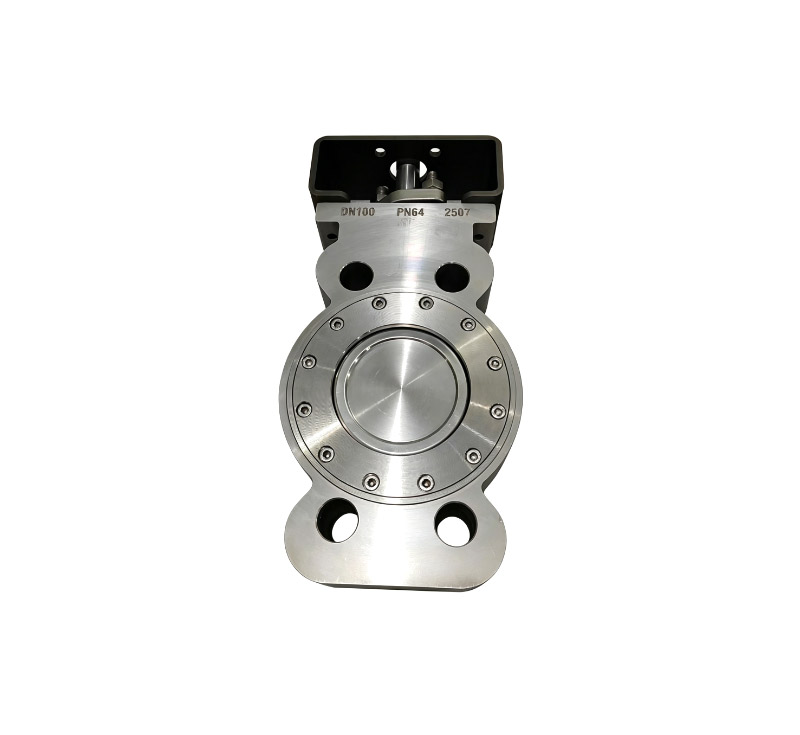
Aktuator elektrohidraulik mengubah energi listrik menjadi tenaga hidraulik, sehingga memungkinkan pengendalian gerakan mekanis secara presisi. Waktu responsnya biasanya diukur dalam milidetik, yang mencerminkan kecepatan reaksinya terhadap sinyal kendali. Waktu respons yang lebih cepat sangat diinginkan untuk aplikasi yang memerlukan penyesuaian cepat, seperti pada sistem robotika atau proses manufaktur berkecepatan tinggi. Namun, waktu respons yang tepat bervariasi tergantung pada desain aktuator dan kondisi operasionalnya.
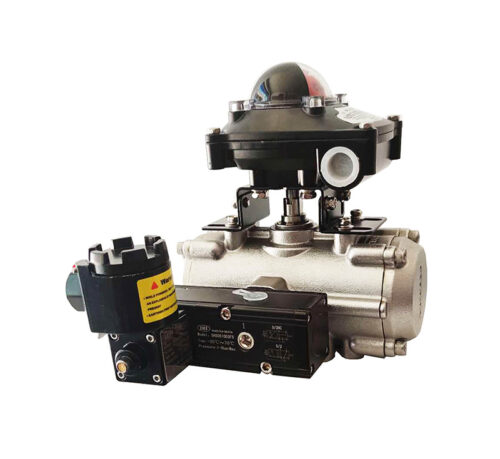
Faktor-Faktor yang Mempengaruhi Waktu Respons
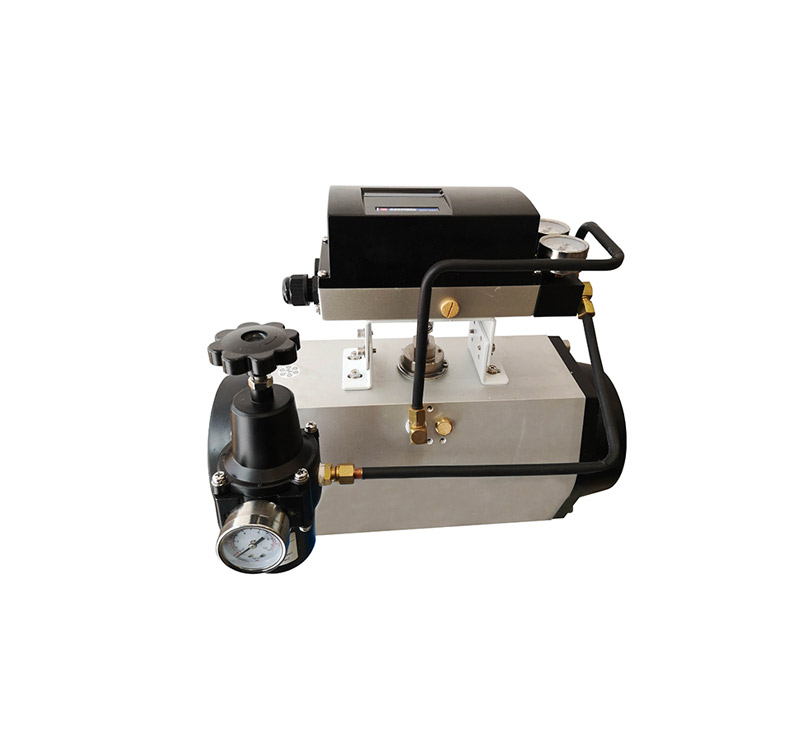
Beberapa faktor memengaruhi waktu respons aktuator elektrohidraulik. Tekanan fluida memainkan peran penting, karena tekanan yang lebih tinggi dapat menghasilkan gerakan yang lebih cepat. Jenis fluida hidraulik yang digunakan juga berpengaruh, di mana beberapa jenis fluida memiliki karakteristik viskositas yang lebih baik sehingga menghasilkan respons yang lebih cepat. Selain itu, efisiensi katup pengatur dan desain mekanis aktuator turut berkontribusi terhadap kinerja secara keseluruhan. Memahami faktor-faktor ini membantu dalam memilih aktuator yang tepat untuk aplikasi tertentu.
Pertimbangan Praktis untuk Penggunaan Industri
Dalam lingkungan industri, waktu respons aktuator elektrohidraulik harus sesuai dengan persyaratan sistem. Misalnya, di instalasi pengolahan air, aktuator harus merespons dengan cepat terhadap perubahan laju aliran. Demikian pula, di kilang petrokimia, pengendalian yang presisi sangat penting untuk keselamatan dan efisiensi. Sangatlah penting untuk mempertimbangkan waktu respons aktuator secara bersamaan dengan komponen sistem lainnya, seperti sensor dan sistem kendali. Integrasi yang tepat memastikan kinerja dan keandalan yang optimal.
Memilih Aktuator yang Tepat
Saat memilih aktuator elektro-hidraulik, beberapa parameter utama perlu dievaluasi. Waktu respons yang dibutuhkan harus disesuaikan dengan kebutuhan aplikasi. Selain itu, konsumsi daya dan kesesuaian aktuator dengan lingkungan juga harus dipertimbangkan. Bekerja sama dengan pemasok atau insinyur berpengalaman dapat memberikan wawasan berharga mengenai pilihan terbaik untuk kebutuhan spesifik. Pemilihan yang tepat tidak hanya meningkatkan kinerja, tetapi juga memperpanjang masa pakai aktuator.
Kesimpulan dan Nilai Tambah
Singkatnya, waktu respons aktuator elektrohidraulik merupakan faktor krusial dalam kinerja dan penerapannya. Dengan memahami faktor-faktor yang memengaruhi serta pertimbangan praktisnya, industri dapat mengambil keputusan yang tepat saat memilih komponen-komponen ini. Berinvestasi pada aktuator berkualitas tinggi dengan waktu respons yang sesuai dapat meningkatkan efisiensi operasional, mengurangi waktu henti, dan meningkatkan keandalan sistem secara keseluruhan. Bagi perusahaan di sektor minyak dan gas, petrokimia, serta pengolahan air, memprioritaskan waktu respons akan memastikan kinerja optimal dan nilai jangka panjang.
Produk Terlaris
Hubungi kami
Alamat: Ruang 203-1, Lantai 2, Blok A, No. 9 Jalan Xinqin, Distrik Xinwu, Kota Wuxi, Provinsi Jiangsu, RRT
Nomor Ponsel: 0086-188-5271-7918
Email:william@wxaccton.com
Situs web: www.actuator-china.com