
Apakah Port Udara Aktuator Ditandai sebagai Port A dan Port B?
2026-07-13 Blog
When you work with pneumatic valves, you notice small openings on the device body. These openings connect to air lines and control the valve movement. Most people in the industry call these openings air ports. For decades, manufacturers have used labels to identify each port on the valve body. This labeling system helps technicians install and maintain equipment correctly.
Why Port Labeling Matters in Industrial Systems
First of all, proper port identification prevents costly installation mistakes. When a technician connects air lines to the wrong ports, the valve may not operate as expected. In some cases, reversed connections can cause equipment damage or safety hazards. For this reason, consistent labeling standards play a critical role in industrial settings. Every plant manager understands the value of clear, reliable identification systems.
Similarly, maintenance teams rely on port labels during troubleshooting and repair work. If a valve fails to function properly, technicians need to check air supply and exhaust paths. Without clear markings, they waste valuable time guessing which port does what. In high-pressure production environments, downtime translates directly into lost revenue. Therefore, standardized labeling saves both time and money for facility operators.
Common Labeling Conventions for Pneumatic Valves
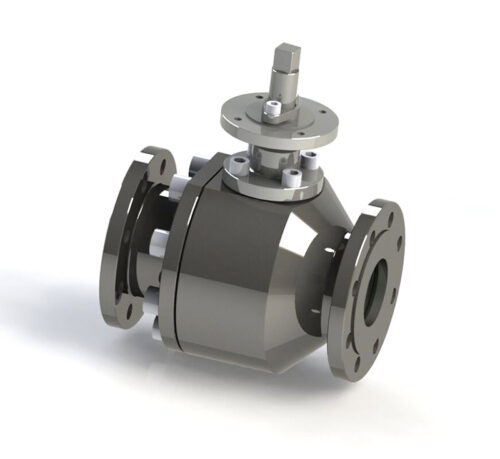
In fact, the industry follows several widely accepted conventions for port identification. Many manufacturers use numbers such as 1, 2, 3, and 4 to mark different ports. Number 1 typically represents the main air supply inlet to the valve body. Numbers 2 and 4 usually indicate the two working ports that connect to the actuator cylinder. Numbers 3 and 5 generally serve as exhaust ports for releasing air from the system.
On the other hand, some manufacturers prefer letter-based labeling for their products. In these systems, you may see labels like “IN” for supply and “OUT” for working connections. Some companies use “EXH” to mark exhaust ports on the valve housing. Letter labels often appear on smaller, more compact valves where space is limited. Each manufacturer chooses the system that best fits its product design philosophy.
Does the Industry Use Port A and Port B Labels?
To answer the original question directly, yes, some manufacturers do use A and B labels. However, this convention is less common than numbered or abbreviated marking systems. When you see Port A and Port B, they typically refer to the two working output ports. These ports deliver compressed air to opposite sides of the actuator piston or diaphragm. The labels help users understand which direction the valve will shift when air enters each port.
For example, when air flows into Port A, the actuator stem extends outward from the body. Conversely, when air enters Port B, the stem retracts back into the housing. This simple binary system works well for basic on-off control applications. Many entry-level and mid-range valves use this straightforward labeling approach. New technicians often find letter labels easier to learn at first.
The Actuator Connection Point: A Key Detail
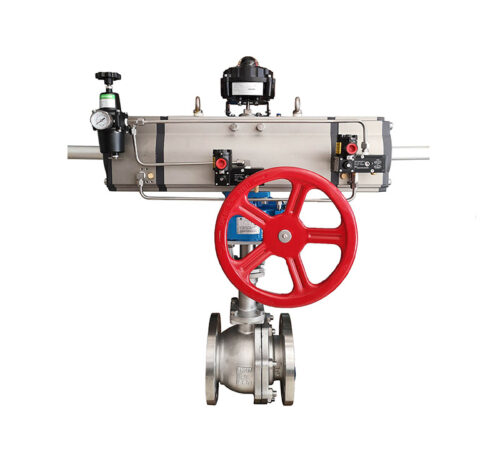
Importantly, the labels appear on the valve body rather than directly on the actuator itself. The actuator mounts to the valve and receives air through internal passages in the manifold. For this reason, you will not usually find A and B markings printed on the actuator housing. Instead, you trace the air path from the valve ports through to the actuator chambers. Understanding this relationship helps you correctly interpret any labeling system.
In addition, some actuator models do include external ports for direct air connection. In these cases, manufacturers may use different labels entirely. You might see terms like “extend” and “retract” molded into the plastic or metal body. Some companies use arrows to show the direction of movement when air enters the port. Always check the product manual if you feel uncertain about the port functions.
How to Verify Port Functions Correctly
First, always consult the official product documentation before making any connections. Manufacturer manuals provide definitive information about port identification and operation. If you no longer have the manual, you can usually download it from the company website. Most industrial suppliers maintain online libraries of technical documents for their customers. Taking this precaution prevents damage from incorrect air line hookups.
Next, you can perform a simple low-pressure test to confirm port behavior. Connect a regulated air supply to one port at a time and observe the actuator movement. Start with very low pressure to avoid sudden, unexpected movement of the valve assembly. Watch carefully and note which direction the stem moves for each supply connection. This practical test gives you firsthand confirmation of how each port functions.
Final Thoughts on Port Labeling Standards
In conclusion, Port A and Port B labels do appear on some industrial valve products. They represent the two working ports that control actuator extension and retraction. However, this system is not universal across all manufacturers and product lines. You will encounter numbered systems, abbreviated labels, and directional arrows as well. The key is to understand the underlying principles, not just memorize one labeling convention.
For procurement professionals, this knowledge helps when comparing products from different suppliers. You can specify your preferred labeling standard when issuing purchase orders for new equipment. Standardizing on one convention across your facility reduces training time and installation errors. Ultimately, clear port identification contributes to safer, more efficient plant operations. Every small improvement in clarity adds up to significant benefits over time.
Produk Terlaris
Hubungi kami
Alamat: Ruang 203-1, Lantai 2, Blok A, No. 9 Jalan Xinqin, Distrik Xinwu, Kota Wuxi, Provinsi Jiangsu, RRT
Nomor Ponsel: 0086-188-5271-7918
Email:william@wxaccton.com
Situs web: www.actuator-china.com