
Cara Memeriksa Tingkat Cairan Hidraulik pada Aktuator Elektro-Hidraulik
2026-06-11 Blog
Menjaga tingkat cairan hidrolik yang tepat akan memastikan aktuator elektrohidraulik berfungsi dengan andal. Pemeriksaan rutin dapat mencegah kerusakan peralatan dan waktu henti yang tidak terduga. Panduan praktis ini memandu Anda melalui seluruh proses pemeriksaan aktuator industri. Panduan ini cocok untuk seluruh staf teknis di berbagai bidang industri.
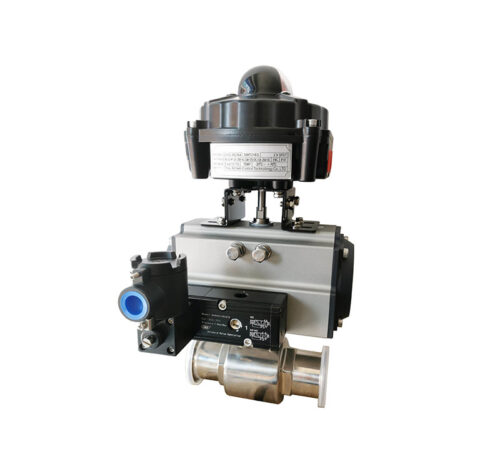
Persiapan Sebelum Pemeriksaan Tingkat Cairan
Pertama, letakkan aktuator di atas permukaan yang stabil agar pembacaan hasilnya akurat. Selanjutnya, kenakan sarung tangan dan kacamata pelindung untuk menghindari risiko yang mungkin timbul. Kemudian, bersihkan puing-puing di sekitar unit agar pengamatan menjadi lebih mudah. Selain itu, pastikan jenis cairan hidrolik yang tepat untuk digunakan nanti. Semua langkah ini membantu menciptakan lingkungan kerja yang aman dan andal.
Temukan Indikator Tingkat Cairan
Setelah persiapan selesai, cari indikator tingkat cairan di sisi aktuator. Indikator tersebut bisa berupa kaca penglihatan atau tongkat pengukur, tergantung pada modelnya. Jika Anda ragu, periksa panduan resmi dari pabrikan untuk petunjuk lebih lanjut. Sementara itu, singkirkan segala halangan agar Anda dapat mengakses indikator tersebut dengan lancar. Penempatan yang tepat akan memastikan Anda mendapatkan hasil pengukuran yang akurat.
Selesaikan Tes Tingkat Kemampuan Standar
Setelah Anda membuka penunjuk tersebut, segera lakukan pemeriksaan rutin. Untuk jendela penglihatan, pastikan cairan berada di antara tanda minimum dan maksimum. Untuk tongkat pengukur, bersihkan terlebih dahulu sebelum memasukkannya kembali dan membaca hasilnya. Selain itu, lakukan pemeriksaan ini secara berkala untuk memastikan kinerja yang stabil. Detail-detail kecil ini membantu memperpanjang masa pakai aktuator Anda secara keseluruhan.
Tambahkan Cairan Hidraulik Saat Levelnya Rendah
Jika level cairan turun di bawah garis minimum, tambahkan cairan hidraulik yang sesuai secara perlahan. Jangan mencampurkan jenis cairan yang berbeda untuk mencegah kerusakan kimiawi di dalam unit. Selain itu, periksa level cairan setelah setiap penambahan sedikit demi sedikit untuk menghindari pengisian berlebih. Pengisian berlebih akan memicu masalah tekanan dan kebocoran cairan yang mengganggu di kemudian hari. Pengisian ulang yang cermat akan melindungi seluruh sistem hidraulik secara efektif.
Ikuti Prosedur Pasca-Inspeksi
Setelah mengisi ulang atau memeriksa cairan, periksa terlebih dahulu apakah ada kebocoran yang terlihat pada aktuator. Kemudian, tunggu sebentar dan periksa kembali tingkat cairan untuk memastikan stabilitasnya. Selanjutnya, bersihkan area di sekitarnya untuk mencegah kontaminasi dari luar. Terakhir, jalankan aktuator sebentar untuk memastikan kondisinya beroperasi normal. Langkah-langkah akhir ini memastikan keandalan operasional jangka panjang.
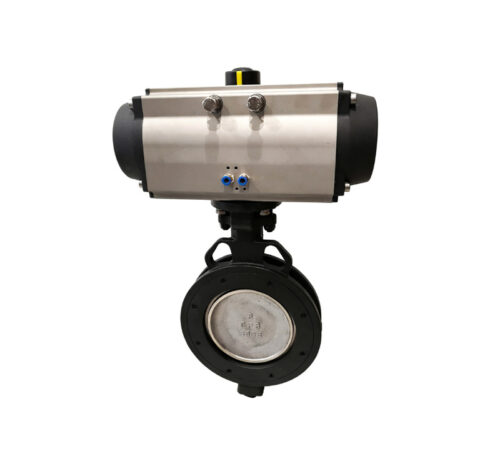
Manfaat Utama Perawatan Cairan Secara Teratur
Singkatnya, pemeriksaan rutin cairan hidrolik merupakan inti dari pemeliharaan aktuator. Hal ini dapat meminimalkan biaya perbaikan yang mahal dan mengurangi gangguan kerja yang tidak terduga. Di sisi lain, pengelolaan cairan yang tepat menjaga stabilitas sistem kontrol cairan setiap hari. Bagi fasilitas industri, langkah sederhana ini sangat meningkatkan efisiensi operasional secara keseluruhan. Ikuti langkah-langkah berikut untuk menjaga aktuator Anda tetap dalam kondisi kerja terbaik.
Hubungi Kami
Tertarik dengan Aktuator kami? Silakan hubungi kami kapan saja melalui email: william@wxaccton.com. Kami menantikan kabar dari Anda!
Produk Terlaris
Hubungi kami
Alamat: Ruang 203-1, Lantai 2, Blok A, No. 9 Jalan Xinqin, Distrik Xinwu, Kota Wuxi, Provinsi Jiangsu, RRT
Nomor Ponsel: 0086-188-5271-7918
Email:william@wxaccton.com
Situs web: www.actuator-china.com